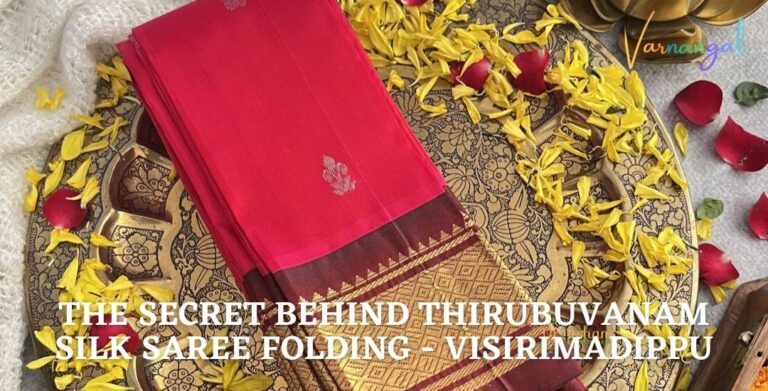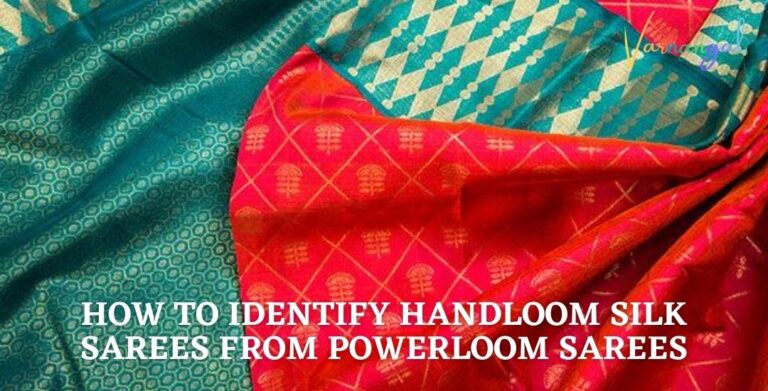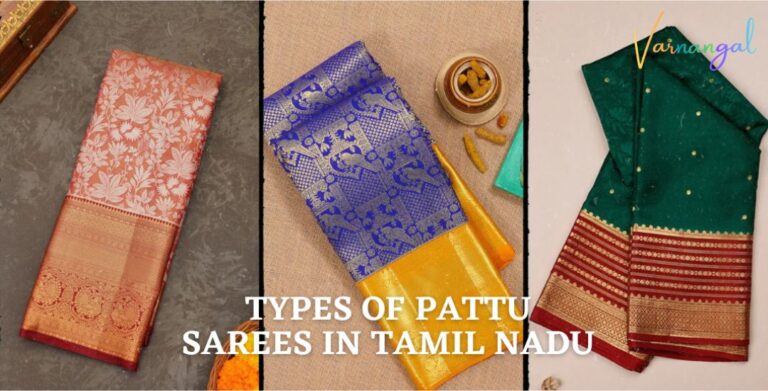
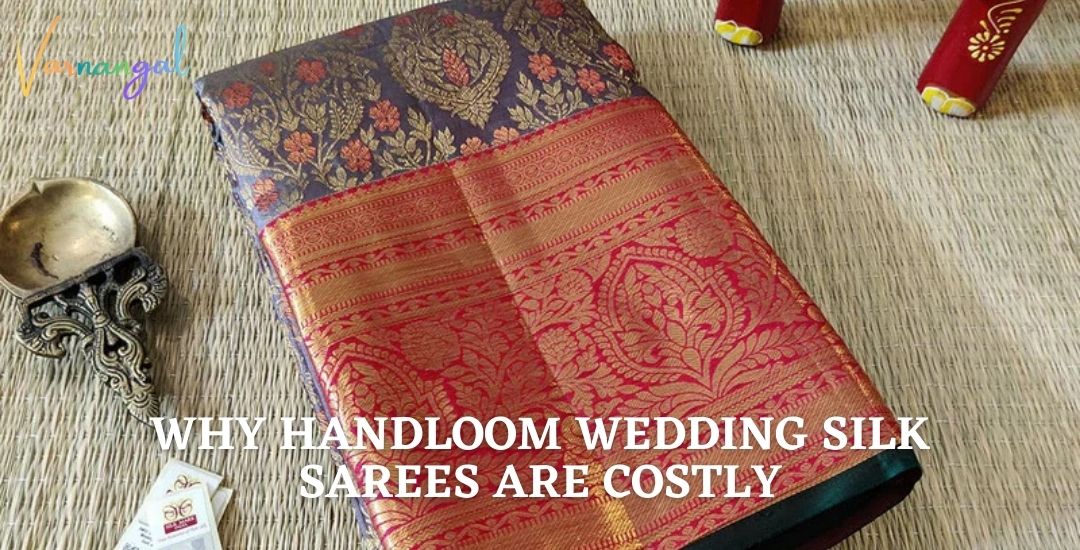
A wedding silk saree is far more than a garment; it is a “wearable investment,” a piece of living history, and a sacred symbol of auspicious beginnings. For a South Indian bride, the rustle of pure pattu is the sound of tradition, representing divine blessings and family heritage passed down through generations. While mass-produced machine versions may mimic the patterns, the price of an authentic handloom pattu saree reflects a world of difference in quality, raw materials, and the sheer human soul woven into every thread.
Why Handloom Wedding Silk Sarees are Costly?
Understanding what makes wedding silk sarees costly requires looking beyond the price tag and into the months of labor and precious metals that define a true masterpiece. From the temples of Kanchipuram to the looms of Thirubuvanam, these sarees are curated for durability, unmatched lustre, and a regal presence that only hand-weaving can achieve.
1. Pure Gold and Silver Zari
Real bridal sarees use “Pure Zari”—a silk thread twisted with silver wire and dipped in 24k gold. Since gold and silver are precious metals, the zari alone can account for 30–50% of the saree’s total cost.
2. High-Ply Mulberry Silk
Durability and weight come from multi-ply silk. Cheap sarees use thin 2-ply threads, but premium wedding sarees use 3-ply or 4-ply mulberry silk. Specifically, Thirubuvanam silk sarees use high-lustre 3-ply silk for both the warp and weft, creating a uniform, mirror-like
3. Intensive Manual Labor:
A handloom weaver and their assistant work 8–10 hours a day to produce just 2–3 inches of a complex design. A grand wedding saree takes anywhere from 15 to 45 days to complete.
4. Complex Weaving Techniques
Korvai (Kanchipuram): The body and border are woven separately and interlocked by hand. This creates a “tear-proof” joint and iconic color contrasts that machines cannot replicate.
Single Warp (Thirubuvanam): A unique technique where the body and border are woven as one continuous piece, making the saree incredibly strong and creaseless.
5. Traditional Hand-Woven Motifs
Artisans painstakingly weave motifs like the Mayil (peacock), Annapakshi (mythical bird), and Yazhi. These are not printed; they are integrated into the fabric thread by thread.
6. Long Life Value
Authentic handloom sarees don’t age like regular clothes. Because the silk isn’t stretched by machines, the fibers remain strong. With proper care, these sarees become softer and more beautiful over 50–100 years, often increasing in financial value as “vintage” pieces.
Is it worth to buy?
Absolutely. Buying a handloom wedding silk saree is an investment in exclusivity and heritage. You are paying for a design that isn’t mass-produced, supporting an artisan’s family, and acquiring a family heirloom that your daughter or granddaughter can wear decades from now. Its resale value—especially due to the gold and silver content—remains remarkably high compared to synthetic fashion.
Conclusion
Understanding the various types of pattu sarees in Tamil Nadu helps you see why the price tag varies so much. Whether it is the structural strength of a Kanchipuram Korvai or the prismatic lustre of a 3-ply Thirubuvanam, the cost is a direct reflection of the “sweat and silver” woven into every inch. When you buy handloom, you aren’t just buying a saree; you’re preserving an art form.
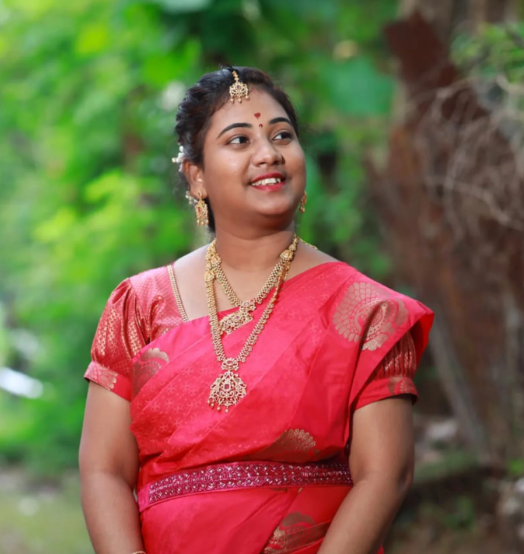
Abirami R I love silk sarees and the stories behind them. My goal is to help you find the best, most authentic Tamil Nadu weaves for your collection.