In the heart of South India, a wedding is not just a ceremony; it is a grand tapestry of tradition, where the bride’s attire serves as the centerpiece. While “Silk Saree” is a broad term, for an elite Tamil wedding, the choices are specific, nuanced, and steeped in heritage.
If you are looking for the absolute best silk saree for a wedding in Tamil Nadu, this guide explores the crème de la crème of weaves—from the legendary Kanchipuram to the lustrous Thirubuvanam.
4 Best Silk Sarees for Weddings in Tamil Nadu (2026 Edition)
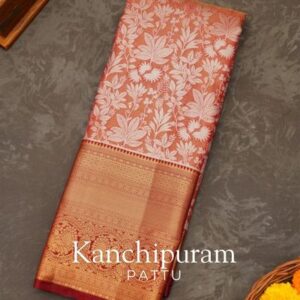
1. The Heritage Supreme: Kanchipuram Silk (Kanjivaram)
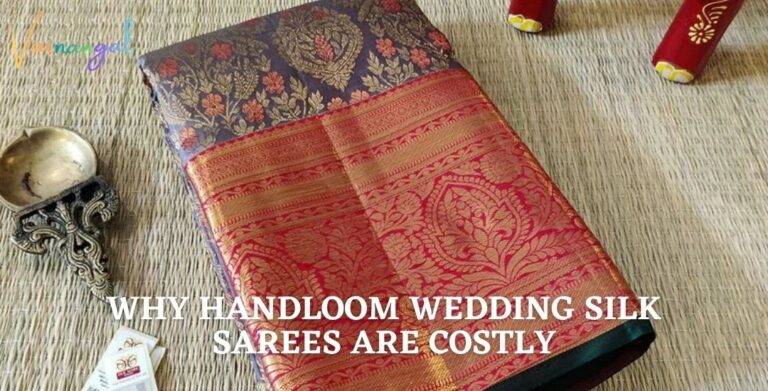
Known as the “Queen of Silks,” the Kanchipuram saree remains the undisputed champion of Tamil weddings. Originating from the temple town of Kanchipuram, these sarees are woven from pure mulberry silk and real gold/silver zari.
Why it is the Best for Weddings:
The Kanchipuram saree is unique because of its Double Warp (three threads twisted into one), which gives it an architectural weight and durability that can last for generations.
Elite Niche Varieties to Look For:
Vaira Oosi (Diamond Needle): This is a specialized weave where thin, needle-like lines of pure gold zari run parallel across the body. It is the pinnacle of luxury in Kanjivaram.
Korvai Technique: An authentic wedding Kanchipuram must be a “Korvai.” This means the border and the body are woven on separate looms and hand-joined. You can identify it by the beautiful zigzag rekku (temple) joint.
Vanasingaram (Glory of the Forest): A complex pattern where the entire saree is covered in intricate forest motifs like lions, elephants, and birds. It represents the highest level of weaver skill.
2. The Luminous Alternative: Three-Ply Thirubuvanam Silk
While the world looks at Kanchipuram, the elite “connoisseurs” of Tamil Nadu look toward Thirubuvanam. Located in the Thanjavur district, this weaving cluster produces a saree that is technically superior in shine and density. If you want a saree that “glows” on the wedding stage, this is your niche choice.
The “Three-Ply” Technical Edge
Most luxury silk sarees use a 2-ply thread. However, an elite Thirubuvanam saree is woven with Three-Ply (3-thread) filature silk.
The Result: This triple-thread density creates a fabric that is significantly more substantial and “stiff” in a regal way. It does not sag or lose its shape even after 10 hours of wedding rituals.
The Uniformity: Unlike other weaves, Thirubuvanam uses filature silk for both the warp (vertical threads) and the weft (horizontal threads). This creates a perfectly uniform texture that reflects light evenly from every angle.
The “Visirimadippu” (Fan-Fold) Tradition
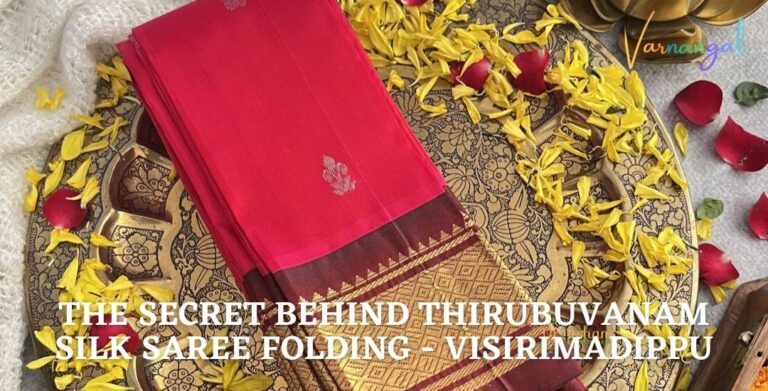
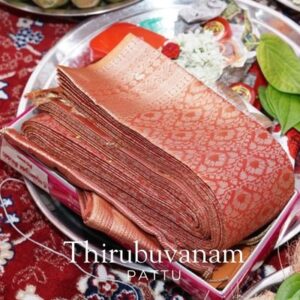
One of the most special features of a Thirubuvanam saree is how it is presented. It is the only saree in India traditionally folded in the Visirimadippu (Fan-Fold) style, resembling an Angavastram.
Why it matters: This folding is only possible because of the high density of the 3-ply silk. It proves the saree is wrinkle-resistant. When a bride unfolds it, the saree flows open like a fan, signifying a fresh, crisp, and prestigious start to her new life.
The “Jangla” and “Extra Weft” Motifs
Thirubuvanam weavers are masters of the Jacquard technique.
3D Motifs: They use a specialized “Extra Weft” gold thread that sits slightly raised above the silk. This gives motifs like the Annapakshi (mythical swan) or Mallinaggu (jasmine bud) a three-dimensional look.
The Luster: Because the silk is so finely processed, the contrast between the glossy silk and the matte-gold zari is much sharper than in a regular Kanjivaram.
3. The 2026 Elite Trend: Kanchipuram Tissue Silk
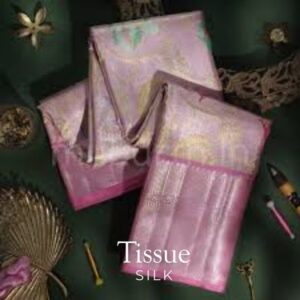
For the modern Tamil bride, the Reception is the time to pivot from tradition to high-glamour. The Kanchipuram Tissue saree is the trending choice for 2026.
The Aesthetic:
Tissue sarees are woven with metallic threads (gold or silver) in both the warp and weft. This creates a liquid-metal effect that makes the bride look as if she is draped in shimmering gold.
Niche Style: Look for “Dual-Tone Tissue,” which reflects two colors—like pink and gold—depending on how the light hits the fabric.
4. The Ritual Essential: Koora Pattu (Muhurtham Saree)
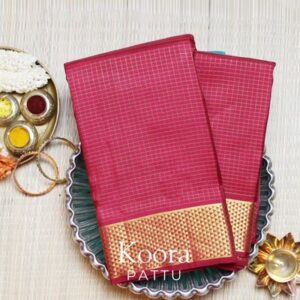
While many brides buy a designer Kanjivaram, the actual “Thali” (Mangalsutra) tying ceremony often requires a specific saree known as the Koora Pattu.
Colors: Traditionally in Arakku (deep maroon) or Mustard Yellow.
Significance: This saree is often a gift from the groom’s family and symbolizes the bride’s transition into her new home. In some communities, a 9-Yard Madisar in Kanchipuram weave is mandatory for this ritual.
Identifying Authenticity: The Elite Buyer’s Checklist
To verify quality and ensure you are buying a genuine handloom piece, check these four markers:
The Burn Test: Pure silk threads burn to ash with a burnt-hair scent; synthetics melt into hard plastic beads.
The Zari Test: Scratch the zari; a white silver core indicates authentic gold-dipped silver, while a red core is fake.
Official Labels: Look for the Silk Mark (for purity) and the Handloom Mark or GI Tag (for origin).
Handloom Inspection: Check the “selvedge” (edges) for tiny pinholes and the back for slight weaving irregularities or thread knots.
Conclusion: Investing in a Legacy
The best silk saree for a wedding in Tamil Nadu isn’t just about the price tag—it’s about the weave. Whether you choose a Vaira Oosi Kanjivaram for its heritage or a 3-Ply Thirubuvanam for its luster, you are buying a piece of history.
Abirami R I love silk sarees and the stories behind them. My goal is to help you find the best, most authentic Tamil Nadu weaves for your collection.